
RUSSIAN THROUGH
PROPAGANDA
ВПЕРЁД, К НОВЫМ ВЕРШИНАМ!
Russian Through Propaganda provides textbooks and dual-language readers for serious students of Russian.


Russian Through Propaganda (Books 1 & 2)
Beginning with the Russian alphabet and ending with readings of Soviet-era poetry and prose in the original, these volumes provide thorough coverage of Russian grammar, illustrated with Soviet propaganda posters. Topics include verb conjugation, tense and aspect, verbs of motion, case endings, reflexive verbs, numbers, indefinites, and much more.
Russian Through Poems and Paintings (Books 3 and 4)
The series continues by reaching further back in Russian history, to the Imperial period, with daily poems from the likes of Pushkin and Lermontov, and a survey of Russian art. Topics include deverbal forms (participles), advanced verbs of motion and verbs of position, and extensive work with word formation. Reading selections include Pushkin, Tolstoy, Chekhov, Goncharov, and Nekrasov.
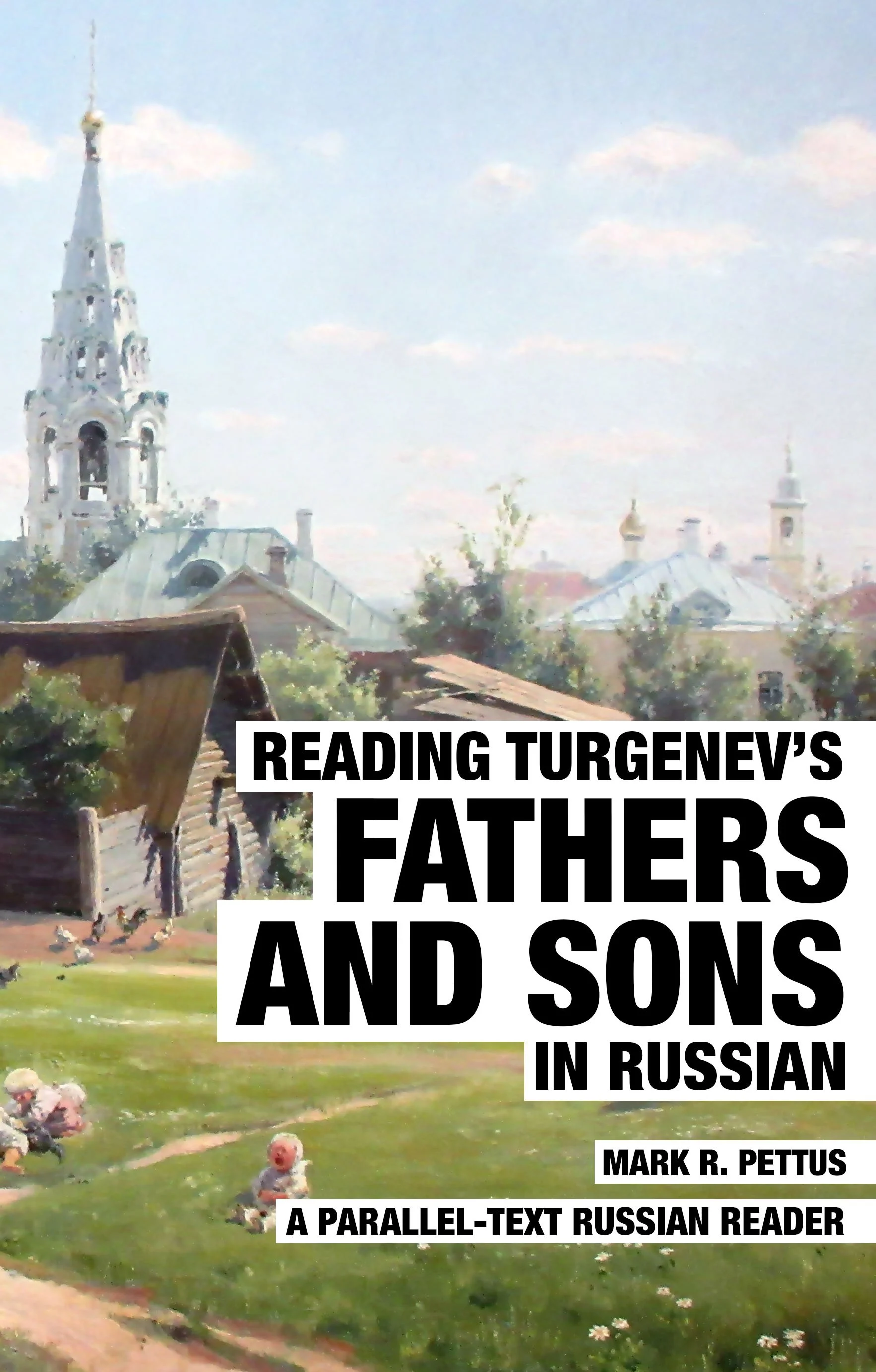
New Release: Reading Turgenev’s Fathers and Sons
This volume includes the original Russian text of Ivan Turgenev’s classic novel, in its entirety, and a facing English translation, together with all the vocabulary notes and reference tables you need to enjoy this work in Russian.
Designed to help students of Russian begin to read real Russian literature in the original without constantly reaching for a dictionary, this parallel-text edition features a new translation done specifically for this purpose, as well as detailed Russian vocabulary notes, including all the important forms you need (especially aspectual pairs and conjugation types for all verbs). The original Russian text is marked for stress, but is otherwise unedited and unsimplified
Published in 1862, but set in 1859 — on the eve of the emancipation of Russia’s serfs in 1861 — Ivan Turgenev’s classic novel captures the tensions between generations in the context of a rapidly changing society torn between peasantry and nobility, Westernizers and Slavophiles, traditional agriculture and economic modernisation, liberalism and radicalism. With his depiction of Bazarov, a young self-professed “nihilist,” Turgenev famously managed to alienate many readers across the political spectrum. If anything, this speaks to how deftly his portraits — of everyone from aging noblemen, to peasants, to university students — manage to capture the wealth of contradictions found in every human person, and in human society at large. Indeed, Bazarov’s world is turned upside down when, contrary to his every “conviction,” he falls in love with the cold and intelligent Odintsova. Meanwhile, the novel’s other protagonists — among them Bazarov’s friend Arkady, Arkady’s father, Nikolai Petrovich, and his Anglophile uncle Pavel Petrovich — experience a series of loves, both present and past, as they struggle to come to some understanding of who they truly are. This timeless, moving novel is a pleasure to read and an ideal starting point for those who wish to read classical Russian prose in the original.

Zamyatin’s We Now Available!
I’m excited to finally announce that the latest title in the “Reading Russian” series is now available, both in paperback and for Kindle. This title is something very different from the ones I’ve done so far. Chances are you may never even have heard of this novel — but if you haven’t, you should really check it out; most students I talk to who have read it have loved it. This is a genre-defining work of modern dystopian science fiction that, despite being written in 1920-21, is disturbingly prophetic in its depiction of a totalitarian state. The elements of Soviet society in particular that were foreseen by Zamyatin are laid out with uncanny accuracy — from sham elections (or rather “Days of Unanimity”), to a cult of personality, to efforts to colonize space in the name of ideology, to stifling surveillance by secret police, arrests, interrogations, and executions… the list goes on and on. Although very funny in places, this novel is ultimately chilling. It’s undoubtedly a can’t-miss classic of Russian literature.

Free PDF: Introducing Dostoevsky
This is a reasonably brief introduction to the world of ideas in Dostoevsky’s works, presented through key excerpts from his novels and other writings. Many of the passages contain elements from his own biography, from his mock execution and imprisonment, to his struggles with epilepsy. Along the way, the focus is on questions of life’s meaning amidst suffering and on Dostoevsky’s own formulation of faith in defiance of doubt and despair. I have tried to keep this text spoiler-free. While it is intended for readers completely new to Dostoevsky (specifically, for use in my college courses on Kierkegaard and Dostoevsky, and Russian Religious Philosophy), it may also be of interest even to those already familiar with his work.
I’ve included the original Russian (or Greek, etc.!) text with facing translation, as usual, though there’s no vocabulary here, since this isn’t really one of my usual Russian readers.
I will likely edit, supplement, and update this text from time to time. Just click to download.





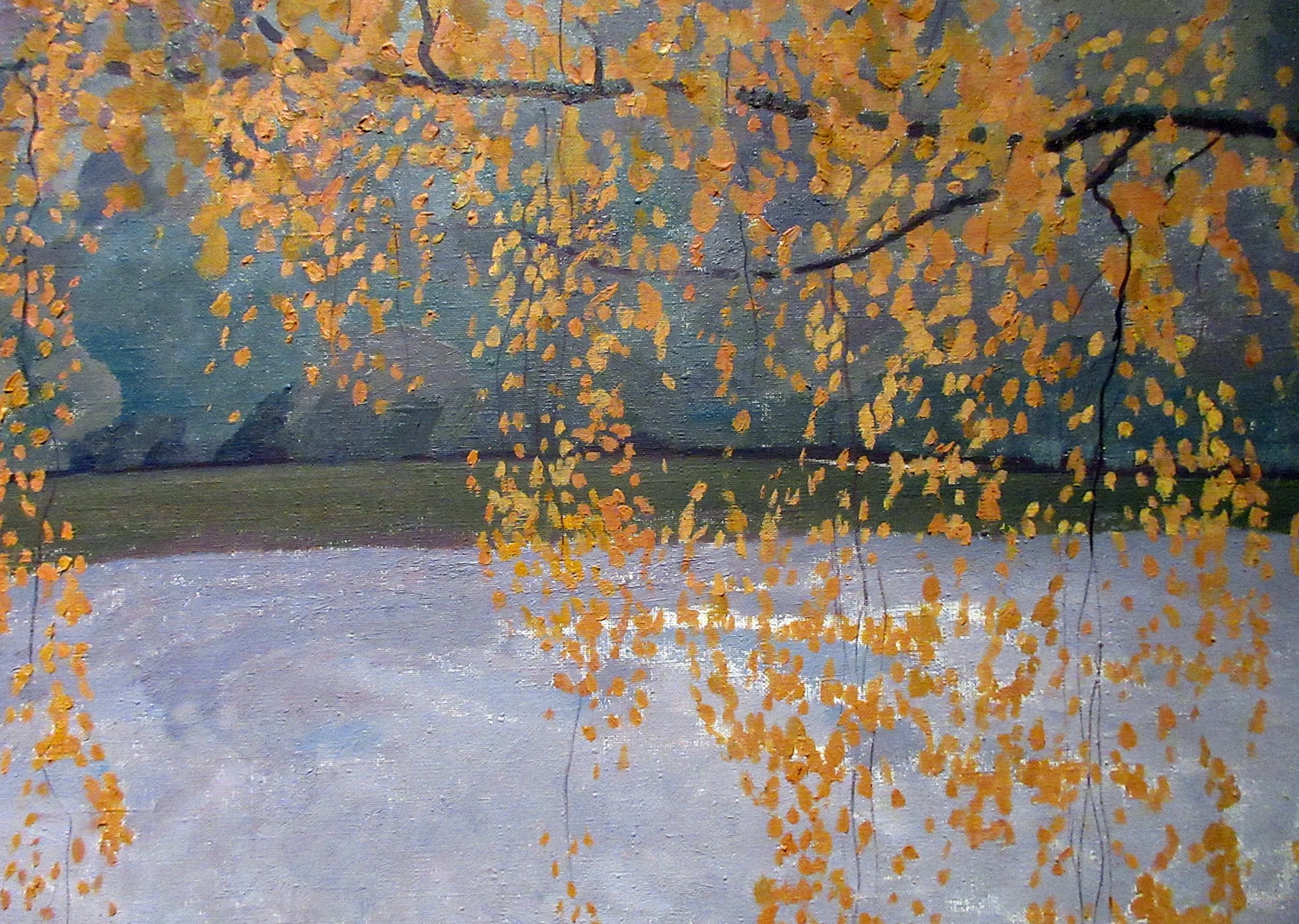
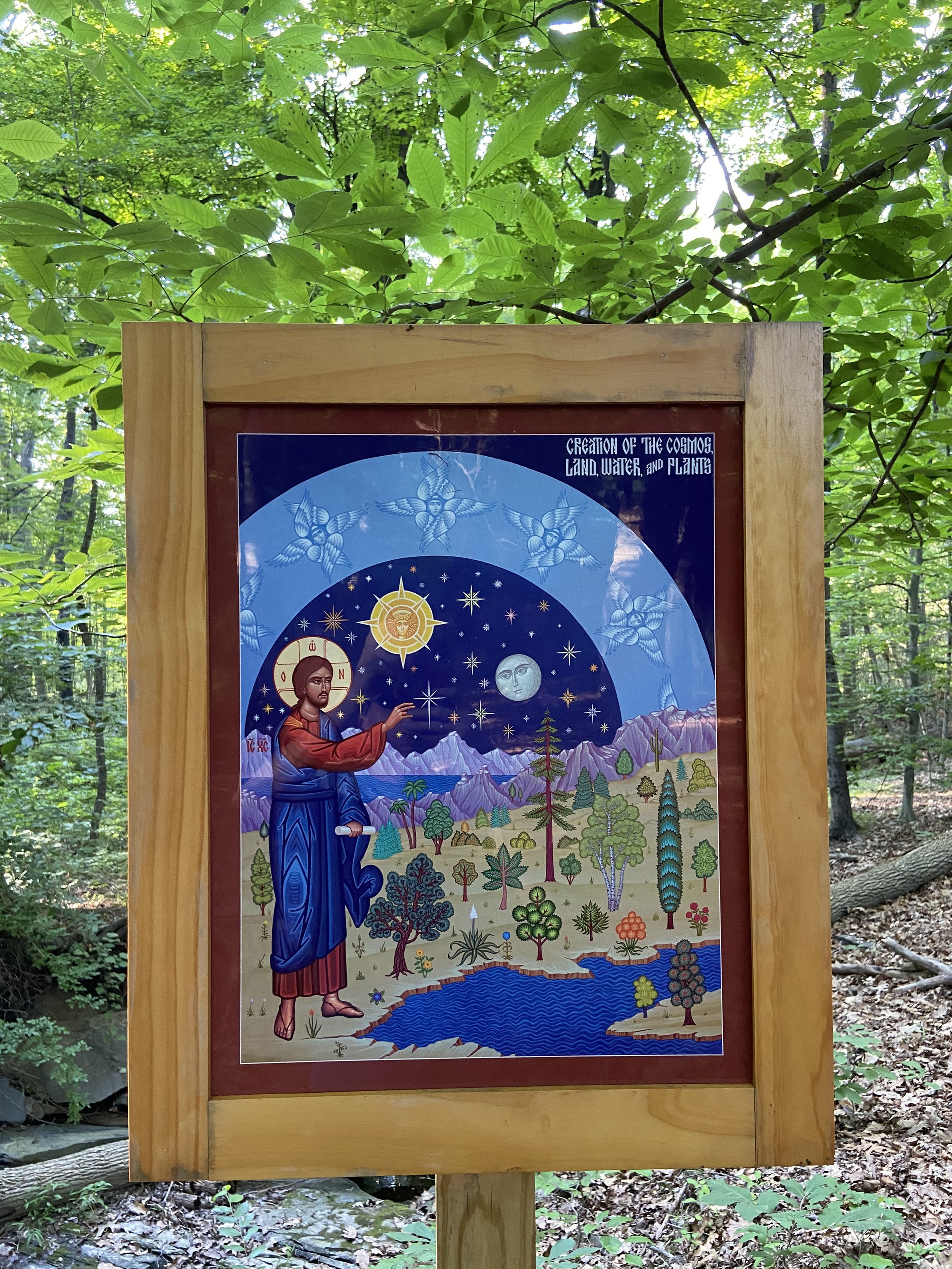


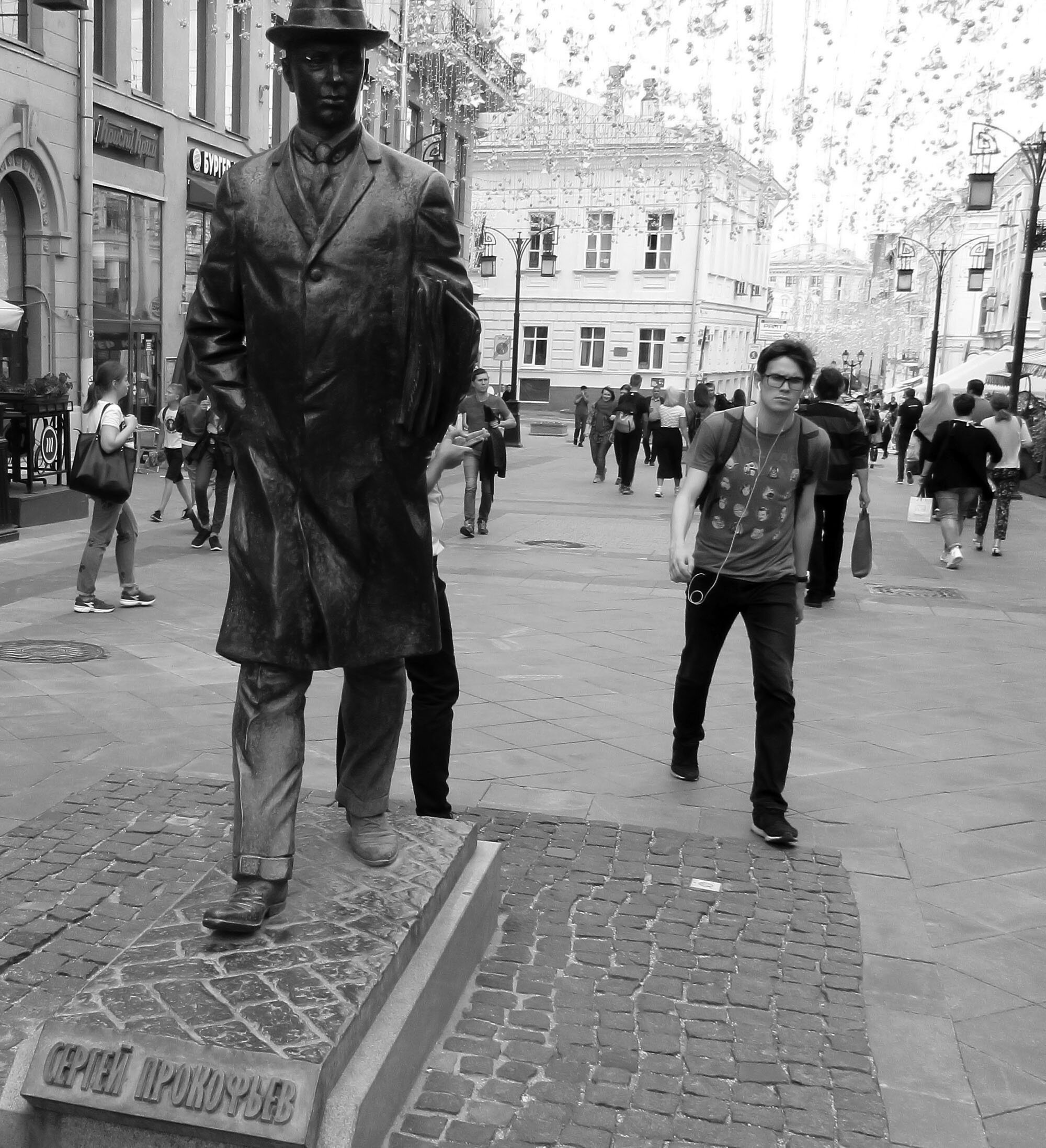

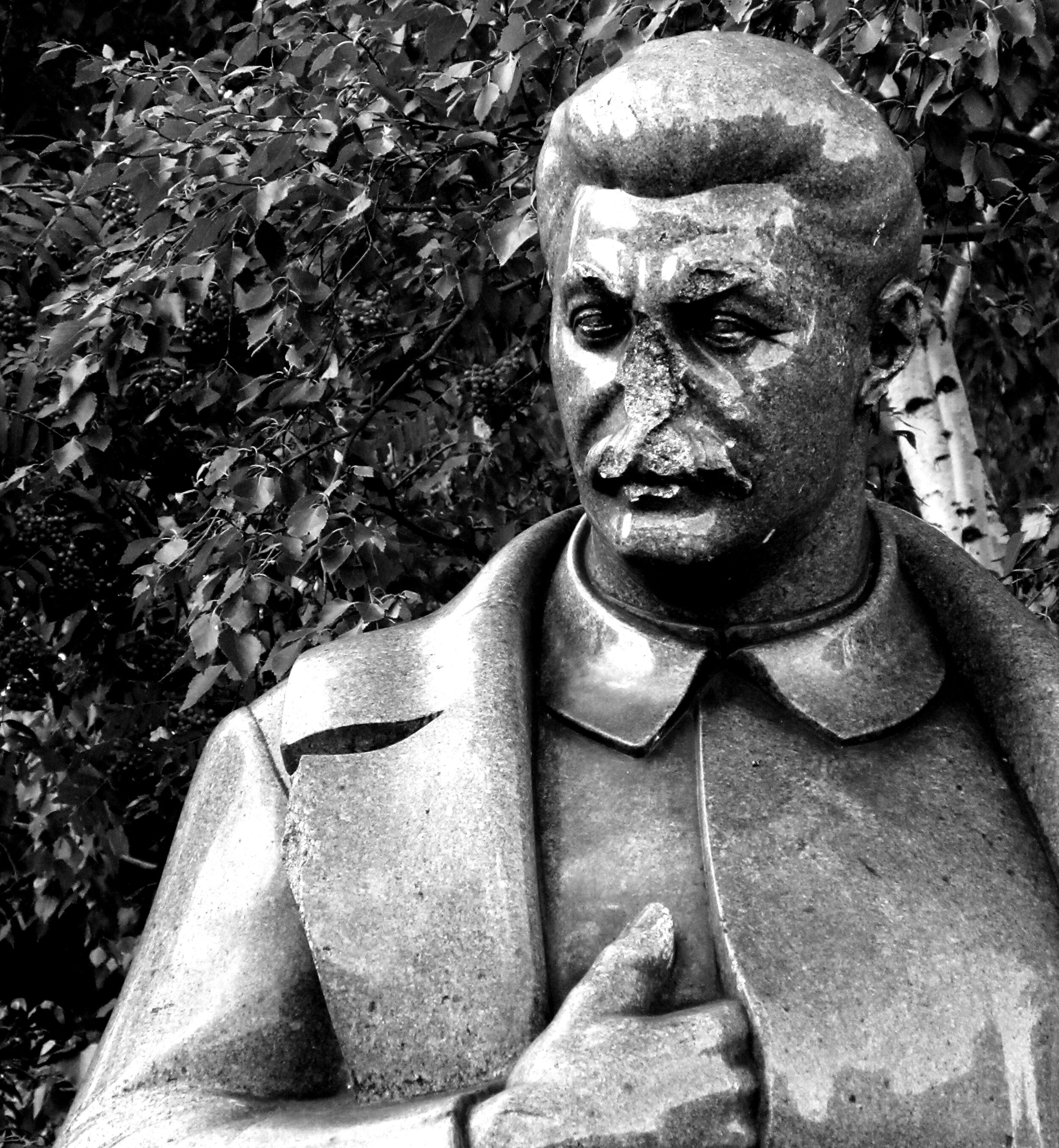





Russian Film
Note: many of these films can’t be viewed within this site itself — just click and watch them on YouTube!


Russian Excursions



about the author
That’s me, Mark Pettus, depicted here on Red Square with some Coffee Bean coffee (try the раф). I hold a PhD in Slavic Languages and Literatures from Princeton University, and a BA from Vanderbilt University, where I majored in German and History, with a minor in Russian. After college I spent a year in Russia on a Fulbright scholarship. Later on, I worked for two years in Russia as translator at KPMG, first in their Moscow office (in a skyscraper overlooking the city!), and then in the St. Petersburg office. In total, I’ve spent around six years studying, working, and just hanging out in Russia.
Today I am a lecturer in Slavic Languages and Literatures at Princeton, where I’ve taught a number of different courses: Russian, Polish, Czech, and Serbian language; an introduction to (Old) Church Slavonic and the development of Slavic; a seminar on late Soviet rock music; East European Literature; an introduction to Russian Religious Philosophy (and Orthodox theology in general), and a course on Kierkegaard and Dostoevsky. I also work occasionally as a freelance translator, mostly from Russian, French, and German.
For now, at least, it’s bright in the heavens / For now, at least, night will not descend